Building a Successful Business in the Modern World
In today’s rapidly evolving market, building a successful business requires more than just having a good product or service. Entrepreneurs need a clear vision, innovative ideas, and effective strategies that align with changing market dynamics. In this article, we will explore the essential elements required for building a successful business in the modern world—from developing a business idea to scaling operations and managing growth.
1. Starting with a Solid Business Idea
A business idea is the foundation of any successful company. Before launching a business, it’s crucial to identify a problem or need in the market and develop a solution. Whether it’s offering a new product or providing a service that improves customers’ lives, a solid idea must stand out in a crowded market.
Entrepreneurs should conduct thorough market research to assess customer needs, identify competitors, and understand industry trends. This helps refine the business concept and ensures that it has the potential for long-term success. Moreover, focusing on a niche market can reduce competition and improve chances of success.
2. Creating a Business Plan
A comprehensive business plan is essential for any entrepreneur looking to launch and grow a business. A well-written plan outlines the company’s objectives, target audience, financial projections, marketing strategies, and operational plans.
The business plan should include:
- Executive Summary: A brief overview of the business, its mission, and vision.
- Market Research: Analysis of competitors, customer needs, and industry trends.
- Products or Services: Detailed descriptions of the products or services the business will offer.
- Marketing and Sales Strategy: How the business plans to attract customers and generate sales.
- Financial Plan: Revenue projections, funding requirements, and profit margins.
A business plan not only serves as a roadmap for the business but is also crucial for attracting investors, securing loans, or partnering with other organizations.
3. Building a Strong Brand Identity
A strong brand identity is key to standing out in the marketplace. This includes developing a memorable logo, choosing the right colors, and creating consistent messaging that aligns with the company’s values and mission. Effective branding helps establish credibility, build trust with customers, and create an emotional connection with the audience.
Branding also includes creating a compelling story about the business that resonates with consumers. This story should highlight the company’s purpose and what it stands for, making it more relatable to customers. In addition, businesses should maintain consistent messaging across all platforms—whether it’s on social media, websites, or marketing materials.
4. Effective Marketing Strategies
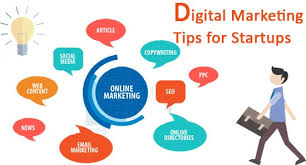
In the digital age, having an online presence is no longer optional for businesses. The right marketing strategies can help generate leads, build brand awareness, and drive sales. The key is to utilize a mix of digital marketing tools that effectively reach the target audience.
Some essential digital marketing strategies include:
- Social Media Marketing: Platforms like Facebook, Instagram, Twitter, and LinkedIn allow businesses to engage with customers, promote products, and build communities. Creating interactive content, such as polls, live videos, or giveaways, helps increase customer engagement and loyalty.
- Search Engine Optimization (SEO): By optimizing websites for search engines, businesses can increase organic traffic and improve their ranking on platforms like Google.
- Email Marketing: Sending targeted emails with personalized content, promotions, or updates helps nurture customer relationships and increase conversions.
- Pay-Per-Click (PPC) Advertising: PPC campaigns like Google Ads or Facebook Ads can quickly drive traffic to a website and generate leads.
- Influencer Marketing: Partnering with influencers in your niche can significantly boost brand visibility and credibility.
It’s important to track the performance of these marketing strategies using analytics tools to adjust the approach as needed and ensure maximum return on investment.
5. Building an Effective Team
As the business grows, it’s vital to build a team of talented and dedicated individuals who share the company’s vision and values. Hiring the right people—whether they’re in sales, marketing, operations, or customer service—can help propel the business forward.
Successful businesses prioritize creating a positive and collaborative work environment. This includes offering fair compensation, recognizing employee achievements, providing opportunities for professional development, and fostering a culture of open communication. When employees feel valued and supported, they are more likely to contribute to the business’s long-term success.
About The Author
